

How to Create an XML Sitemap That Search Engines Love
Most WordPress sites have a sitemap. Far fewer have a good one. The difference matters more than many site owners realize - a poorly constructed...
Read the articleSEO for WordPress developers, not marketers. Structured data, crawl control, Core Web Vitals, and plugin-level optimizations that put you in control of how search engines read your site.
Most WordPress sites have a sitemap. Far fewer have a good one. The difference matters more than many site owners realize - a poorly constructed...
Read the article
A single misplaced Disallow directive has wiped entire websites from Google's index overnight. The robots.txt file is deceptively simple - a plain...
Read the article
Every developer has a version of this story: you spend 45 minutes manually resizing a batch of images, writing a CSS box shadow by trial and error,...
Read the article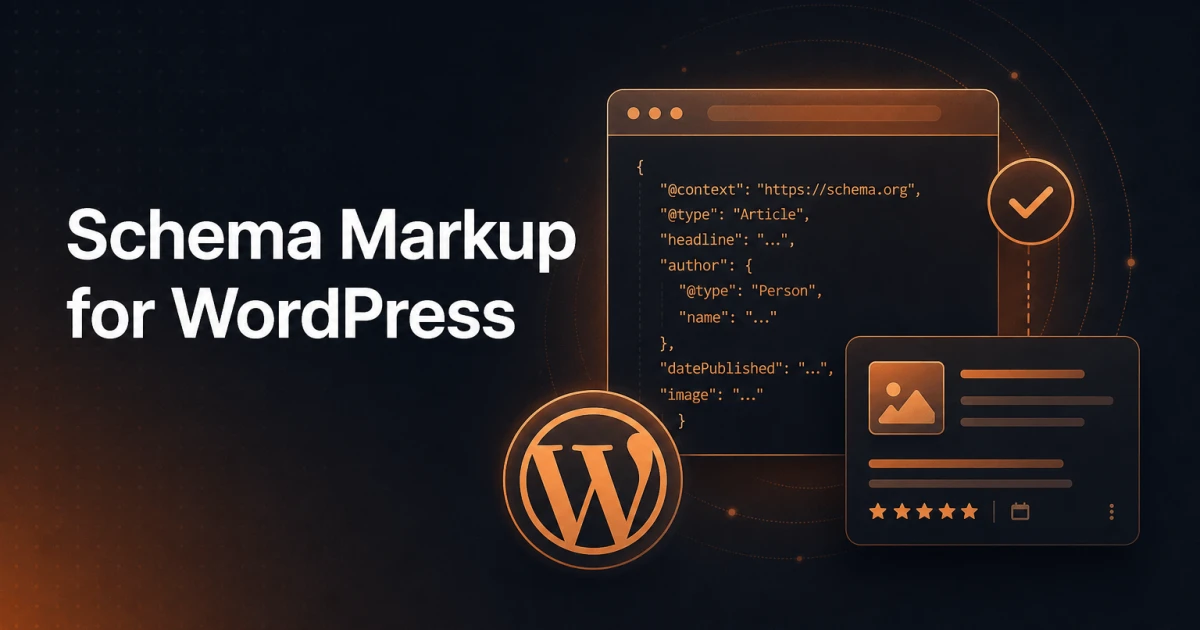
Google stopped rewarding plain blue links years ago. The sites that dominate the SERP today have star ratings under their titles, prices and stock...
Read the article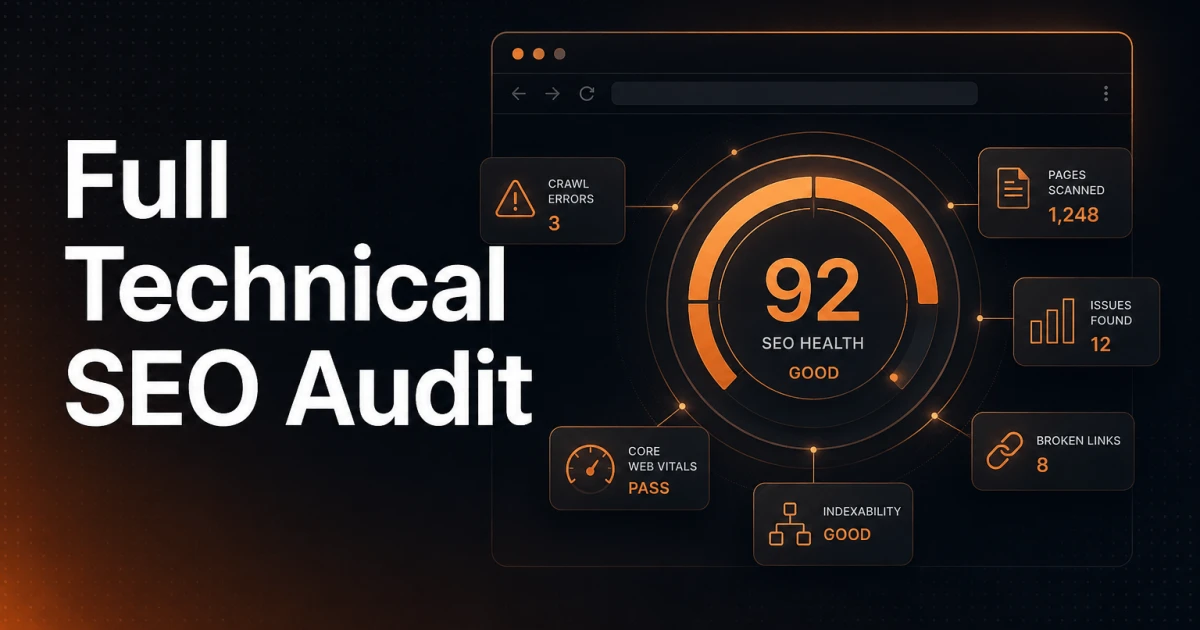
Most SEO tools follow the same model: sign up, verify your email, pick a plan, maybe start a free trial, and then wait to see if the tool is actually...
Read the article
Most WordPress plugin developers treat their free tier like a demo disc from 2003. You get just enough to see what you're missing, wrapped in a UI...
Read the article
I have been working on Signocore SEO for quite a while now, and there have been many updates along the way. But version 4 is different. This is not...
Read the article
For twenty years the SEO industry has had one single goal: to make Google happy. We have analyzed algorithms, cultivated backlinks as if they were...
Read the article
In today's digital landscape, search engine optimization (SEO) plays a central role in driving visibility, traffic, and growth for businesses online....
Read the article
What is on-page SEO? On-page SEO is about optimizing the individual page so it ranks higher and attracts more relevant traffic. It applies to both...
Read the article
In today's brutally competitive digital landscape, classic SEO alone is no longer enough to secure top rankings in search results. As algorithms...
Read the article
Or: How I learned to stop worrying and love our robot search lords Do you remember when SEO was simpler? When you could stuff "best pizza near me"...
Read the articleMost SEO advice stops at keywords and meta titles. For developers building WordPress sites, the real leverage sits deeper - in how the server responds, how markup is structured, and how plugins interact with the render pipeline. A misconfigured wp_head hook or a bloated third-party script can quietly undermine months of content work. This category covers SEO from the implementation side: the decisions you make in code, not in a dashboard.
Search engines reward pages that communicate context explicitly. Schema.org vocabulary, delivered as JSON-LD and injected via wp_head, tells crawlers exactly what a page represents - an article, a product, a local business, a FAQ block. WordPress does not output rich structured data by default, which means developers either implement it manually or choose a plugin that does it correctly. The Yoast SEO plugin generates Schema graphs automatically, but understanding the output matters: you need to verify that @type, @id, and entity relationships are correct for your content model, not just present. Google's Rich Results Test is the fastest way to confirm what the crawler actually sees.
Google's Core Web Vitals - Largest Contentful Paint, Interaction to Next Paint, and Cumulative Layout Shift - are ranking signals, but they are also performance diagnostics. Each metric points to a specific class of problem:
LCP above 2.5 seconds usually traces back to unoptimized hero images, render-blocking scripts, or slow server response. In WordPress, late-loading of the featured image or a heavy page builder is often the cause.
CLS above 0.1 frequently comes from images without explicit width and height attributes, or from late-injected ad and cookie consent elements that shift layout after the first paint.
INP above 200ms points to long JavaScript tasks on the main thread. Auditing with Chrome DevTools' Performance panel and trimming unnecessary wp_enqueue_script calls is a direct intervention.
PageSpeed Insights and the Chrome User Experience Report (CrUX) give you field data, not just lab scores. Both should be part of any pre-launch checklist.
WordPress generates a lot of URLs by default - tag archives, author pages, date archives, attachment pages - and most of them add crawl budget waste without adding ranking value. Controlling what gets indexed means working with robots.txt, canonical tags, and the noindex directive deliberately. The Robots API introduced in WordPress 5.7 lets plugins and themes filter the default robots output via the robots_txt filter, giving you programmatic control without editing files manually. For larger sites, combining this with XML sitemap configuration - whether through Yoast, Rank Math, or a custom implementation - ensures that crawlers spend time on pages that matter.
Technical SEO is not a one-time audit. It is a set of constraints you build into how a WordPress site is architected from the start - and a discipline you return to every time a plugin update, a theme change, or a new content type shifts the structure of the site.
Get in touch if you have suggestions for articles or topics.