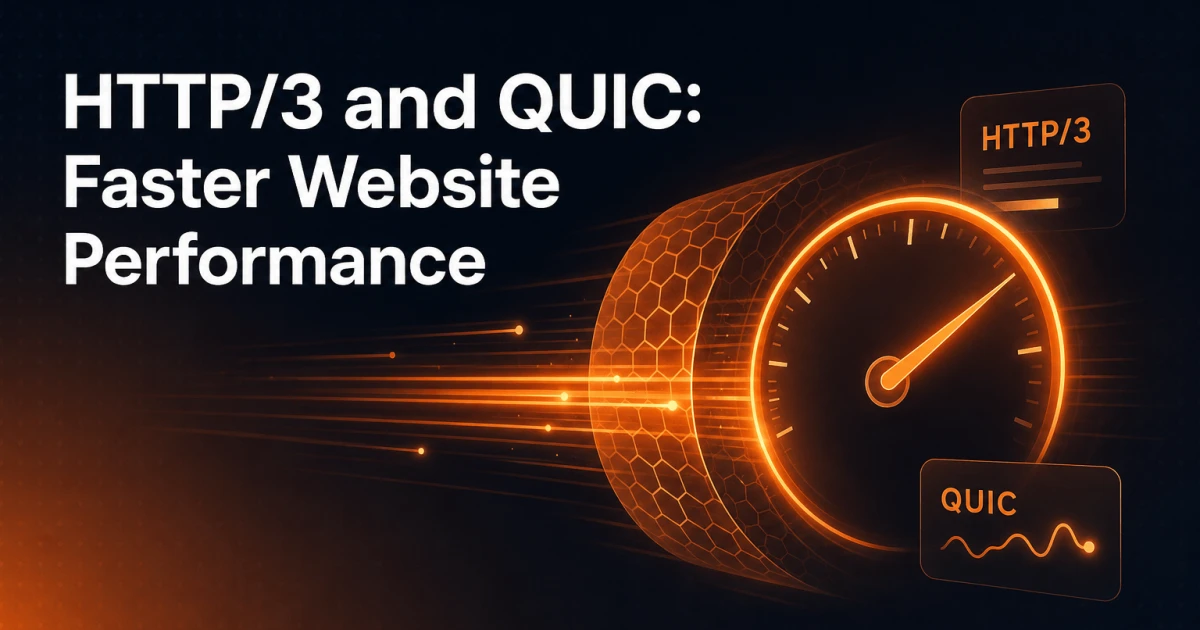
The Internet is constantly evolving, and one of the most exciting developments in web technology in recent years is the introduction of HTTP/3 and the QUIC protocol. These technologies promise to significantly increase the speed of websites, reduce delays, and improve the user experience – especially for mobile users and sites with global traffic. If you are a website owner and want to ensure your site is fast and efficient, implementing HTTP/3 is an important step in the right direction.
In this blog post, we review how HTTP/3 and QUIC can improve your website's performance, and how Signocore SEO, a performance-first WordPress plugin, works together with these technologies to ensure a fast, SEO-optimized page without unnecessary load.
Understanding HTTP/3 and the QUIC Protocol
What is HTTP/3?
HTTP/3 is the latest version of the Hypertext Transfer Protocol (HTTP), used to transfer data on the Internet. HTTP/3 builds on HTTP/2's improvements but introduces further speed improvements by using the QUIC protocol. This version is designed to solve some of the problems that earlier versions of HTTP have had, such as high latency and connection interruptions.
What does QUIC do?
QUIC is a transport layer protocol developed by Google and now adopted by many websites globally. Unlike previous versions, which used TCP (Transmission Control Protocol), QUIC uses UDP (User Datagram Protocol), which allows faster data transfers and reduces connection time.
QUIC enables multiple requests to be handled simultaneously, without a delay in one data transfer stopping others, which has been a problem with previous HTTP protocols.
How HTTP/3 and QUIC Improve Speed and Reduce Delays
Faster Loading Times for Mobile Users
Mobile users often experience slower loading times due to unstable networks and variations in signal strength. With HTTP/3 and QUIC, these problems are significantly reduced, as the protocols can handle connection disruptions much better. This means websites load faster for mobile users, even under poor network conditions.
QUIC also reduces the time it takes to establish a connection between a mobile device and the server, resulting in a faster start to loading a page. This is crucial for websites that target users in areas with slow or unstable Internet connections.
Improved Performance for Global Traffic
For websites with visitors from around the world, HTTP/3 can dramatically reduce delays. Earlier versions of HTTP required more "round trips" between the browser and the server to establish a secure connection. HTTP/3 reduces these delays and establishes a connection almost instantly – even when your visitors are far from your server.
This is especially important for businesses that operate across borders or use global networks. With HTTP/3, users can get a much better experience, where content loads quickly regardless of their geographic location.
How Signocore SEO Complements HTTP/3 in a Performance Strategy
While HTTP/3 and QUIC ensure faster delivery of content on a technical front, it is also important to focus on technical SEO optimization to maximize your site's performance. Signocore SEO is built with this exact aim in mind. This WordPress plugin ensures your site remains fast while handling important technical SEO features such as meta tags, structured data, and schema – without adding unnecessary code or bloat that can slow your site down.
Why Choose Signocore SEO?
Lightweight and Efficient
Signocore SEO is built with speed in mind. Unlike other heavy plugins that can add unnecessary features and slow your site, Signocore SEO focuses only on the essentials: technical SEO such as meta tags, structured data, and schema. This ensures your site stays fast and SEO-optimized.Optimized for Core Web Vitals
With Google's focus on Core Web Vitals as an important ranking factor, Signocore SEO helps you ensure your site is structured and optimized in accordance with the latest speed and performance standards.No Unnecessary Features
Many SEO plugins add unnecessary features that can slow your site down. Signocore SEO avoids this by delivering only the most essential tools, ensuring your site remains fast and efficient.Structured Data for Better Visibility
Signocore SEO makes it easy to add structured data, which helps search engines understand your content better. This increases the chances of rich results being displayed, without compromising your site's speed.
The Perfect Duo: Signocore SEO and HTTP/3
When HTTP/3 is combined with Signocore SEO, you get a website that is both fast and optimized for search engines. While HTTP/3 reduces connection times and improves speed, Signocore SEO ensures your site is structured correctly so it can be found and displayed optimally in search results.
With HTTP/3's fast connections and Signocore SEO's lightweight and efficient approach to technical SEO, you can be confident that your users – wherever in the world they are – will have a fast and smooth experience on your site.
Closing Thoughts
HTTP/3 and QUIC mark a new era in how websites are delivered and experienced by users. Faster loading times, fewer delays, and better handling of global traffic are just a few of the advantages this new technology brings. For WordPress site owners, it is crucial to combine these technologies with an optimized SEO strategy.
Signocore SEO is the perfect complement to a speed-focused strategy. With a focus on technical SEO that doesn't burden your site, Signocore SEO helps you maintain fast, optimized pages that satisfy both users and search engines.
Ready to optimize your WordPress site? Read more about Signocore SEO here.